
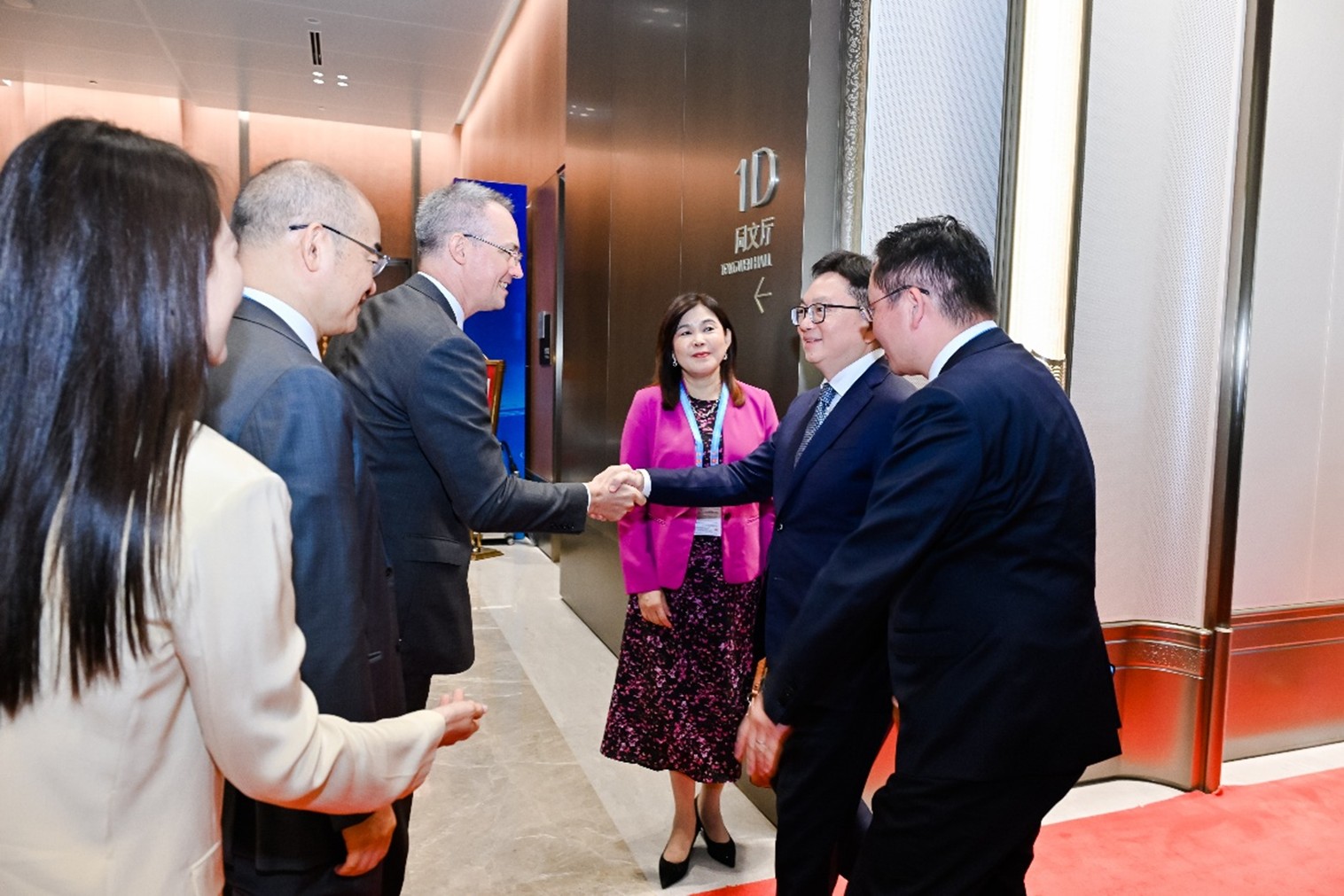
On September 9, the China Provinces–US States Economic & Trade Cooperation Exchange was held in Xiamen during the 25th China International Fair for Investment and Trade (CIFIT). AmCham China, as a co-organizer, was represented by President Michael Hart and member companies. Hart delivered remarks on behalf of the Chamber and its member companies, while several representatives from member companies shared their insights during the panel discussions. Vice Minister of Commerce and Deputy China International Trade Representative Ling Ji, as well as Vice Governor of Fujian Province Wang Jinfu, delivered keynote speeches at the meeting.
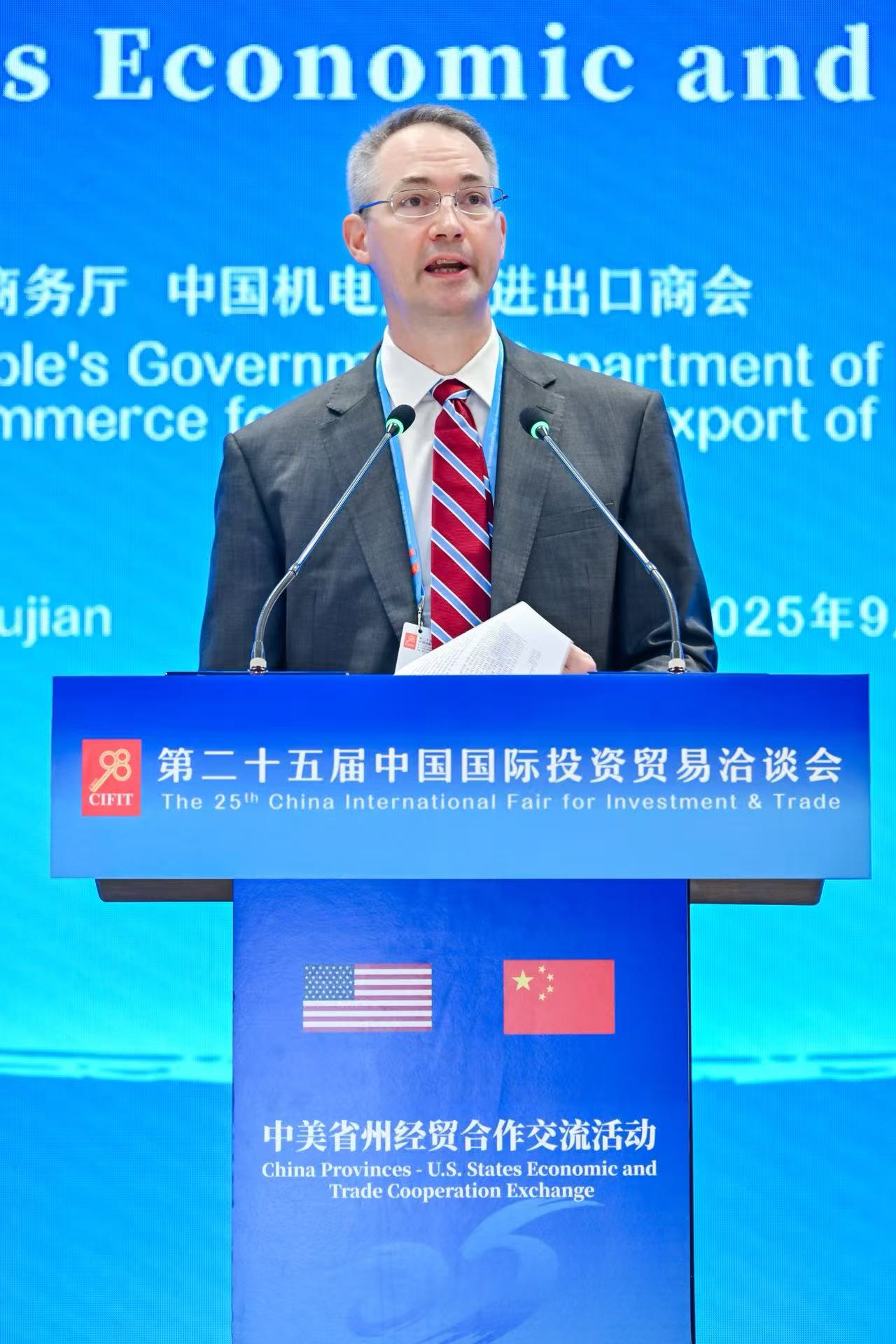
In his remarks, Michael Hart highlighted that local exchanges have always been a cornerstone of US-China relations. These connections have helped build resilience, spark innovation, and deliver real benefits to both countries. In sectors like energy, healthcare, and consumer goods, American companies have teamed up with Chinese partners to bring in cutting-edge technologies, share expertise, and develop solutions tailored to local needs. Looking ahead, there’s still plenty of room for collaboration. As the global economy evolves, new opportunities are emerging in areas like energy transition, digital innovation, healthcare access, and sustainable consumption. Strengthening local-level cooperation can open up more opportunities for US businesses in China, bring in more investments and growth to local communities, and generate more shared benefits for both nations.
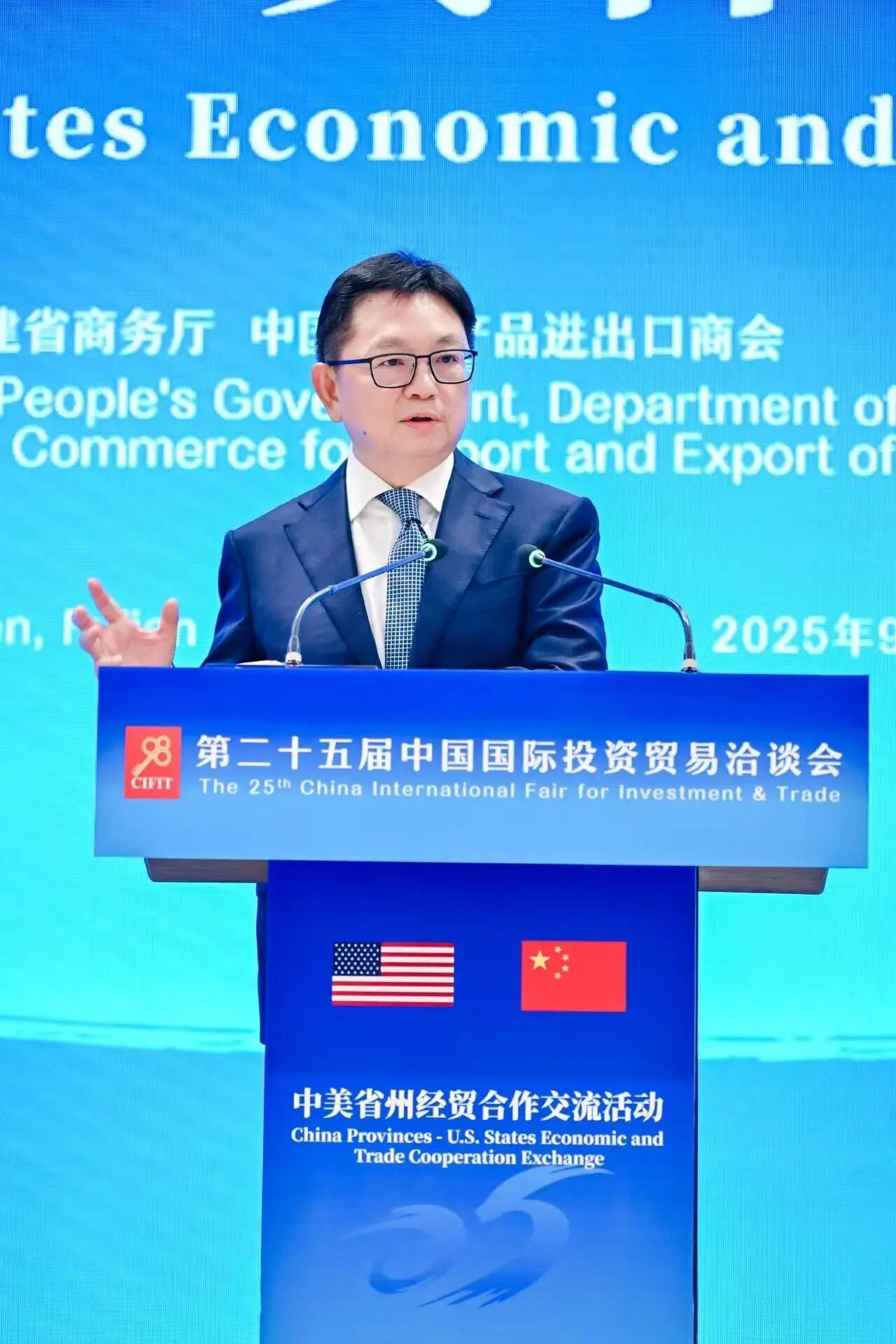
Ling Ji, Vice Minister of Commerce and Deputy China International Trade Representative, outlined the development trajectory of US companies in China by looking at the past, present, and future. He noted that most American companies have long been deeply rooted in China and have achieved rapid growth. Today, China offers foreign enterprises not only the “shallow dividends” of cost advantages and a vast market, but also the “deep dividends” of diversified consumer demand, a complete industrial and supply chain, an advanced innovation ecosystem, abundant application scenarios, and the continued expansion of institutional opening-up. Amid global uncertainties brought by trade protectionism, Ling emphasized that China’s high-quality development and strong innovation momentum remain a certainty—making investment in China a way to hedge against uncertainty. He also affirmed that the Ministry of Commerce will continue to support and facilitate greater development for American companies operating in China.
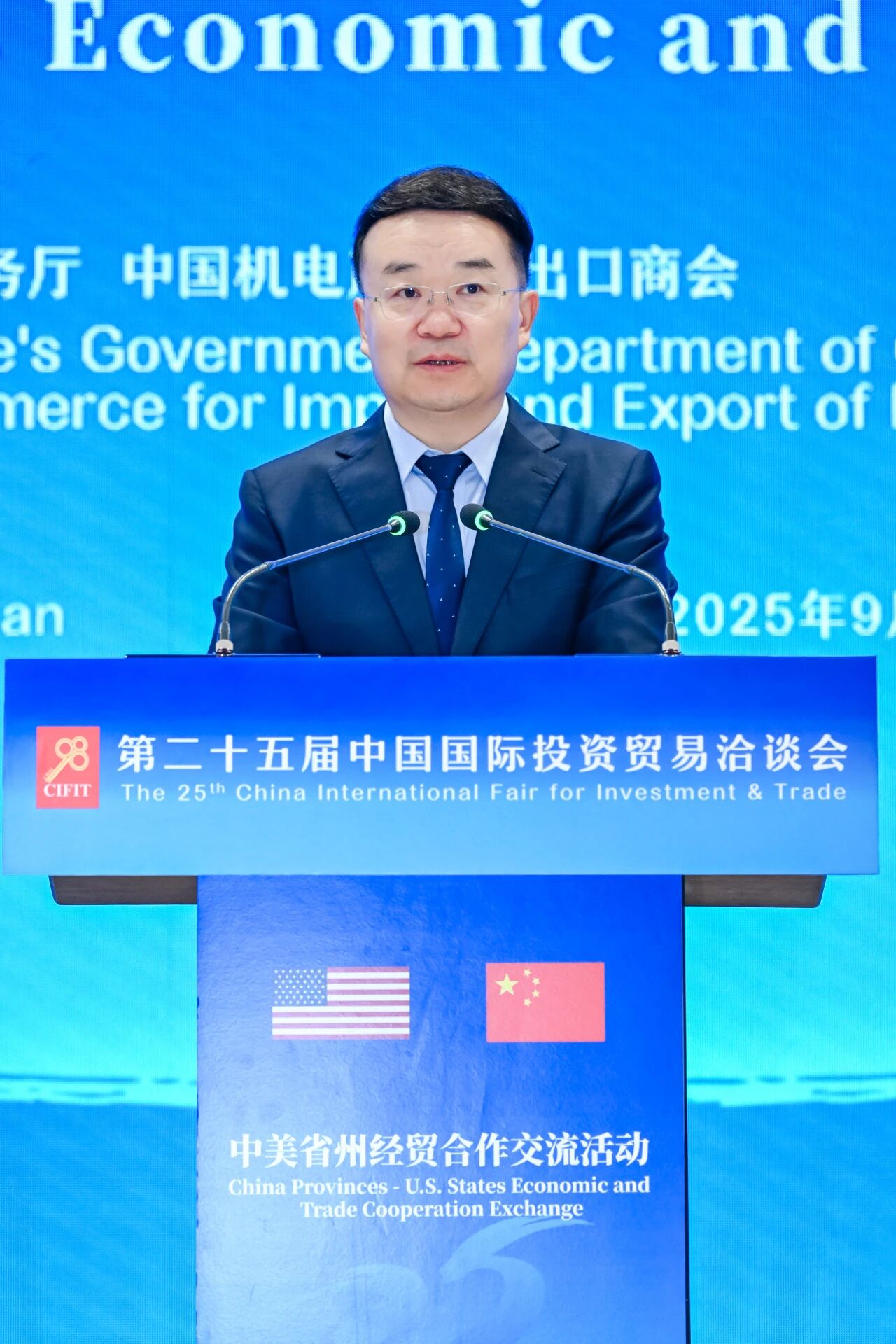
Fujian Vice Governor Wang Jinfu highlighted the deepening exchanges and practical cooperation between Fujian and US local counterparts across various sectors, noting that economic and trade ties have become increasingly close. He expressed hopes that this event would serve as a bridge to further strengthen subnational economic and trade engagement with the United States, thereby contributing to the healthy, stable, and sustainable development of US-China economic relations.
The event brought together around 200 representatives from local governments and the business community, including delegations from Inner Mongolia, Jilin, Heilongjiang, Jiangsu, Zhejiang, and Fujian in China, as well as from the US states of California, Illinois, Washington, Georgia, and New Jersey. Participants engaged in in-depth discussions on the potential of US-China provincial and state-level economic and trade cooperation, with a focus on green transition, healthcare, and consumption upgrading. The event also provided a platform for practical exchanges and on-site matchmaking to explore new opportunities for collaboration.
Another AmCham China Board Member, Poh Yian Koh, President of FedEx China, stated that FedEx packages travel across the globe, and the logistics network carries not just goods, but also a responsibility to the planet. Through continuous exploration and investment in sustainability, FedEx has announced its goal to achieve carbon-neutral global operations by 2040, with significant investments in three key areas: vehicle electrification, sustainable energy, and carbon sequestration. She emphasized that the green transformation is never a battle a company can fight alone. It requires the collective involvement of governments, industry associations, and partners across the supply chain to join forces and build a sustainable ecosystem together.
Anita Wei, Vice President of Government Affairs at Danaher China, stated that Danaher’s business in China accounts for approximately 12% of its global operations, making the Chinese market the second largest in the world, after the US. In 2025, China’s biopharmaceutical industry is expected to experience a surge of innovation, often referred to as the “Year of Innovation.” In this critical period of rapid innovation, multinational companies must figure out how to better integrate into the innovation ecosystem and seize historical opportunities. When it comes to innovative collaboration, China and the US can join forces to address global health challenges.
Voilin Chen, Head of Government Affairs and Market Access of South Region at Medtronic Greater China, stated that since entering the Chinese market in 1989, Medtronic has been dedicated to advancing the development of medical technology in China. China has become Medtronic’s second-largest single market globally. The company has established research and development centers, innovation hubs, and multiple production facilities in China, including its first digital healthcare innovation hub in Beijing’s Yizhuang district. Looking ahead, Medtronic believes that cooperation between China and the US in the healthcare industry will become even closer and is committed to driving the adoption of cutting-edge technologies in China to support the high-quality development of the country’s healthcare system.
She Duanzhi, Senior Vice President of Corporate Affairs at Walmart China, stated that since entering the Chinese market in 1996, Walmart’s business has developed steadily. In the last fiscal year, their revenue in the Chinese market achieved double-digit growth. According to the financial report for the second quarter of this year, released in August, Walmart’s sales in China grew by 30% compared to the same period last year, with e-commerce sales rising by 39%. “Activating new drivers of consumer upgrading” perfectly captures Walmart’s development. The growing demand of Chinese consumers for higher quality of life not only aligns with the new economic and social trends brought about by high-quality growth in the Chinese market but also serves as a driving force behind Walmart’s efficient product selection and the creation of convenient, omnichannel shopping experiences.