Where Do We Go from Here? Insights on US-China Policy from Ambassador Daniel Kritenbrink
With US-China trade talks entering another uncertain phase, AmCham China members gathered for exclusive insights from one of Washington’s most seasoned Asia hands. Ambassador Daniel Kritenbrink, drawing on decades of frontline diplomatic experience, examined how the Trump Administration is approaching Beijing, what lessons both sides carried over from past tariff battles, and why leader-level diplomacy remains indispensable. For businesses weighing Section 232 investigations and looming tariff deadlines, his perspective underscored both the risks and potential opportunities ahead.
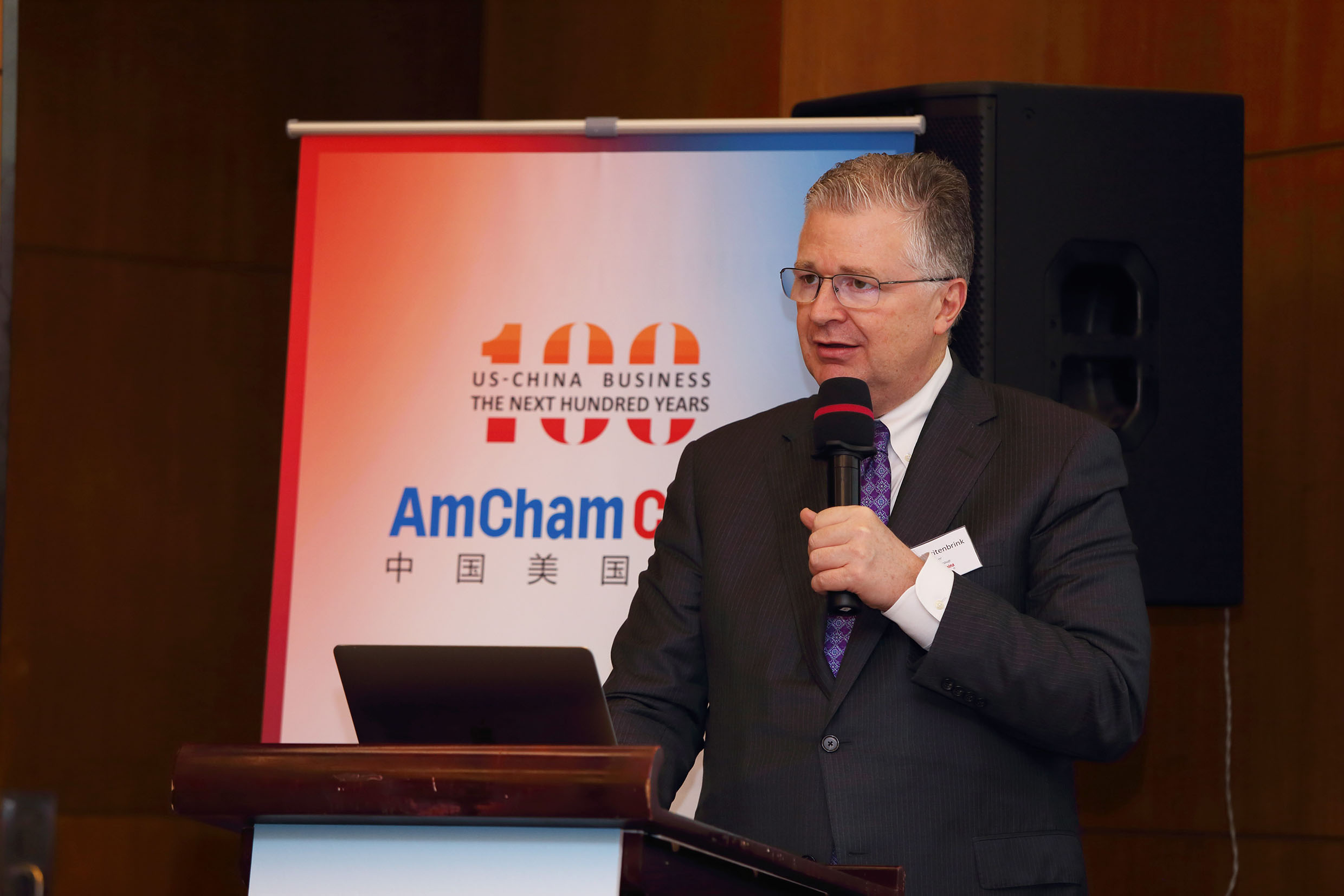
Ambassador Daniel J. Kritenbrink is a Partner at The Asia Group, bringing decades of diplomatic experience in US engagement across the Indo-Pacific. A career Foreign Service Officer, he has shaped US policy toward China, Japan, Southeast Asia, and regional security, while also advocating for US businesses.
From 2021 to 2025, he served as Assistant Secretary of State for East Asian and Pacific Affairs, leading US diplomacy across a region critical to global stability and growth. He strengthened alliances with Japan and South Korea, expanded cooperation with Southeast Asia, and managed competition with China, while advancing initiatives on maritime security, economic coercion, and the Indo-Pacific Economic Framework.
As US Ambassador to Vietnam (2017–2021), he deepened the partnership, expanded economic and security ties, and promoted reconciliation and exchanges. His tenure included the first US aircraft carrier visit since the Vietnam War and a strengthened trade and education relationship.
Earlier roles include Senior Director for Asian Affairs at the National Security Council (2015–2017) and Deputy Chief of Mission at the US Embassy in Beijing (2013–2015), where he oversaw high-level negotiations, economic dialogues, and crisis management. He also served as Director of the Office of Chinese and Mongolian Affairs, Chief of the Political Section’s Internal Unit in Beijing, and held assignments in Japan, China, Kuwait, and Washington, DC.
He holds a B.A. from the University of Nebraska-Kearney and an M.A. from the University of Virginia. He speaks Mandarin Chinese and Japanese.
On September 23, AmCham China’s Policy+ program hosted an exclusive luncheon in Beijing with special guest speaker, Ambassador Daniel Kritenbrink, former US Ambassador to Vietnam and, most recently, the Assistant Secretary of State for East Asian and Pacific Affairs. The closed-door session welcomed more than 20 senior representatives from AmCham China member companies and offered rare insight into evolving US-China relations from the lens of a veteran diplomat now serving as a Partner at The Asia Group.
Titled “US-China Policy: Where We Go from Here,” the discussion focused on four key areas of interest to the US business community in China, centered on the evolving posture of the current US Administration under President Trump.
A Centralized Approach
Ambassador Kritenbrink noted that under President Trump’s leadership, the approach to China has become more centralized, with decision-making shifting directly to the President. Earlier in the Administration, Peter Navarro played a prominent role in trade negotiations. That responsibility has since shifted, with US Treasury Secretary Bessent now responsible for securing a more commercially balanced trade relationship. The shift shows how the White House has prioritized deal-making at the top, even as working-level negotiations continue to face challenges.
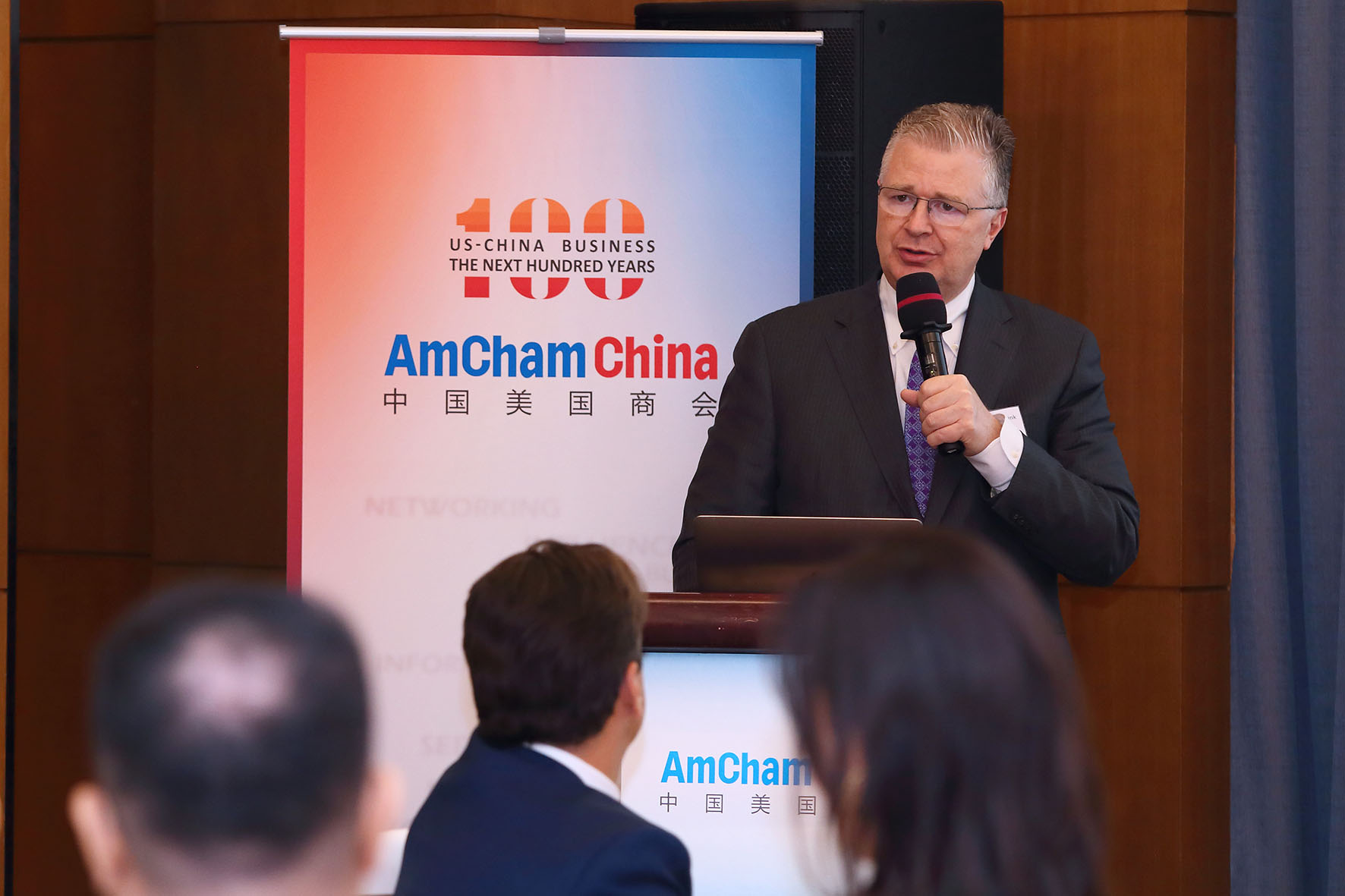
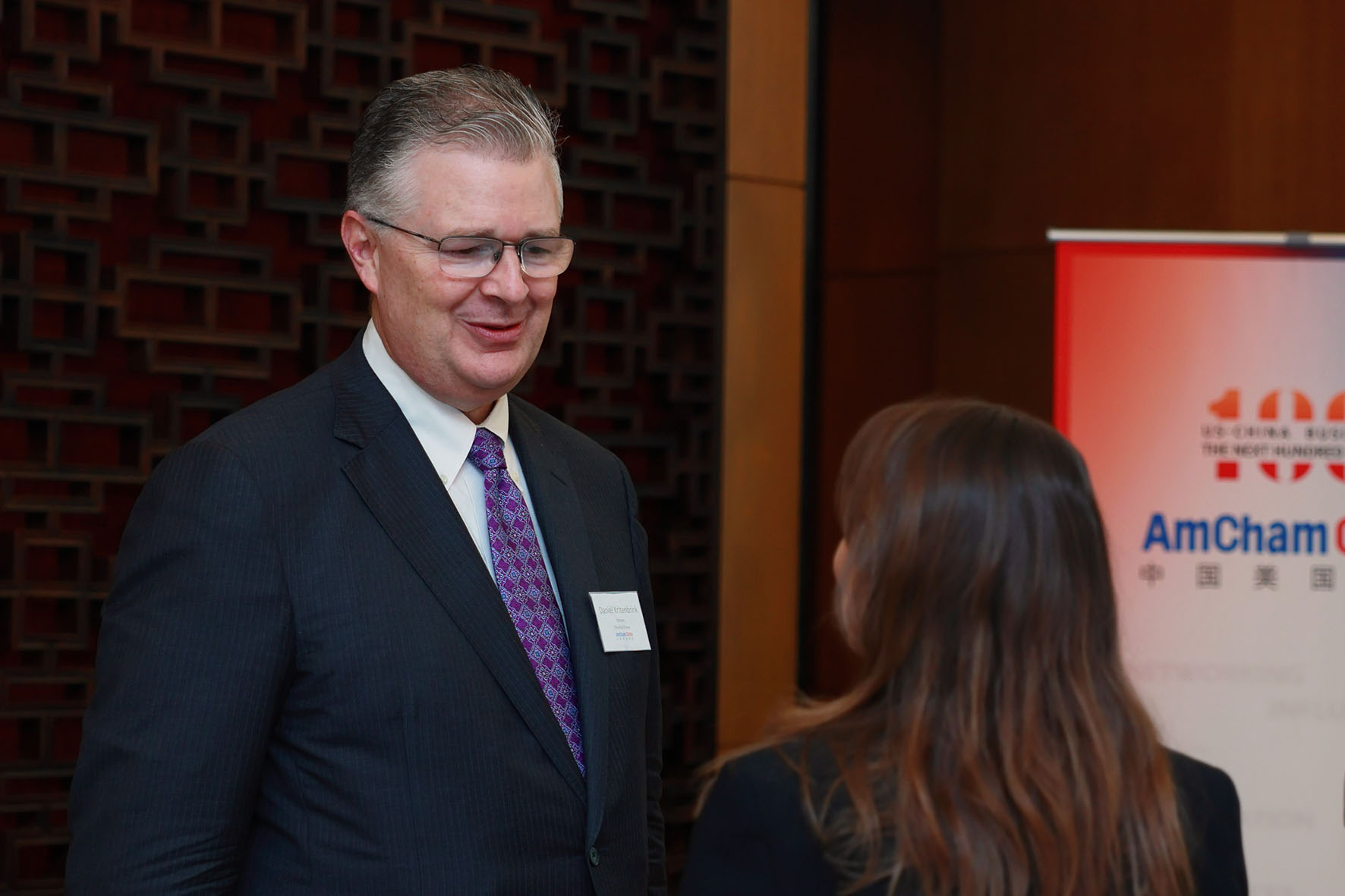
Ambassador Daniel Kritenbrink at AmCham China’s Policy+ event in Beijing
Photos by Jin Peng
Lessons from the First Trump Term
Kritenbrink then reflected on lessons from the first Trump Administration. Chinese diplomats, he observed, have learned from their previous encounters with US tariffs and have adapted accordingly. That experience now informs Beijing’s response to the renewed wave of tariffs under the current administration.
This “institutional memory,” Kritenbrink explained, shapes not just the tactics but also the tone of Chinese engagement. For AmCham China members, the point underscored how past trade disputes continue to reverberate through current negotiations.
Leader-Level Diplomacy
Despite roadblocks at the working level, Kritenbrink emphasized the enduring importance of leader-level diplomacy. In his view, the personal relationship between President Trump and President Xi Jinping could prove decisive in easing tensions.
Kritenbrink reminded members that mutual respect between heads of state has often been the key to unlocking broader agreements. For businesses watching the calendar, upcoming high-level meetings could provide critical signals about where bilateral relations are headed.
Business Implication
For member companies navigating rising uncertainty, especially around Section 232 investigations and the upcoming November 10 tariff truce deadline, Ambassador Kritenbrink encouraged close attention to the diplomatic calendar. He noted that periods of high-level engagement between the two governments may present opportunities to advance commercial agreements.
Section 232 of the Trade Expansion Act of 1962 allows the US president to impose tariffs if a Department of Commerce review finds that certain imports threaten national security. The Trump Administration has already used this authority to raise duties on aluminum, steel, copper, and automobiles, and has launched investigations into nine other categories.
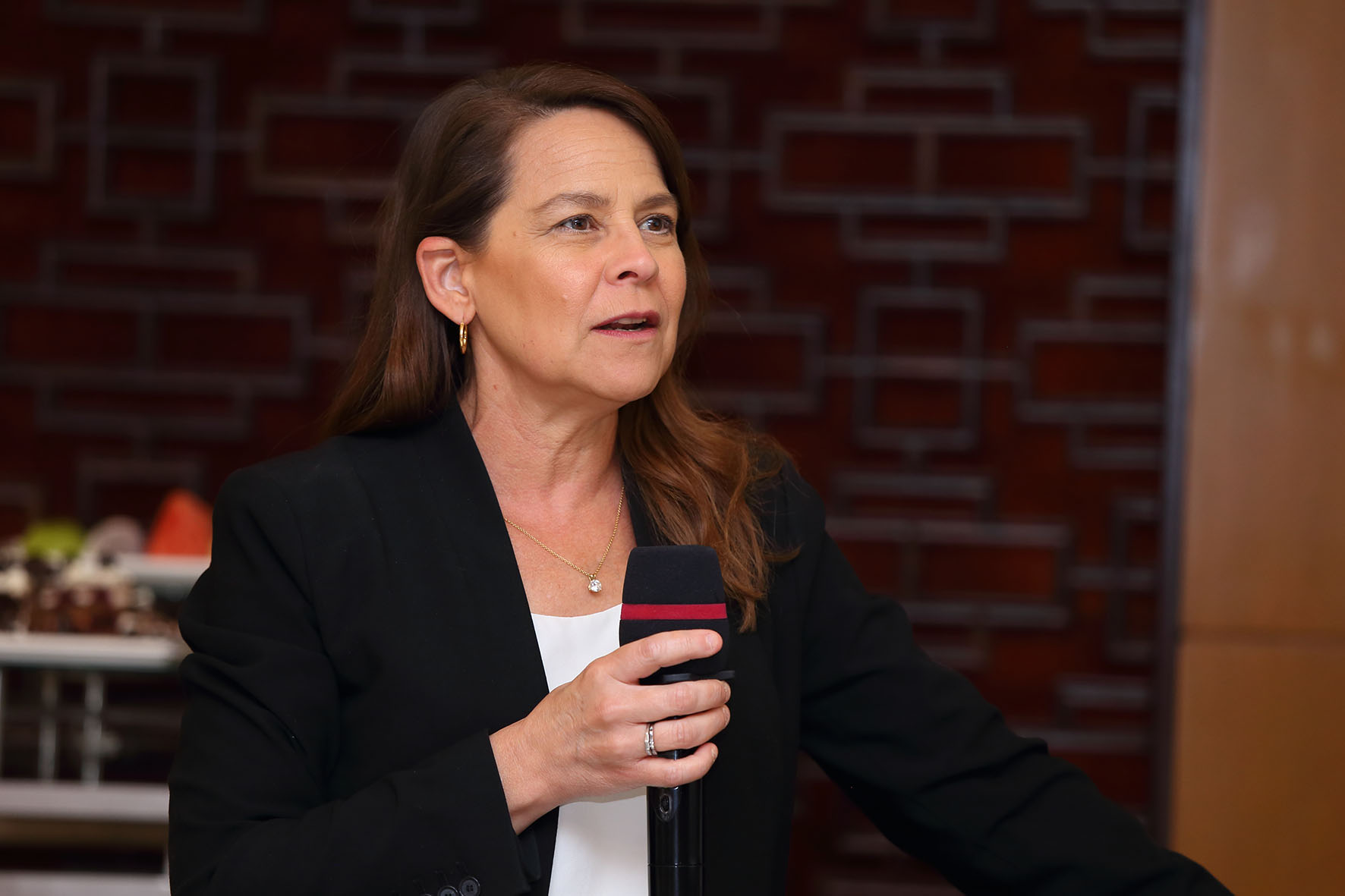
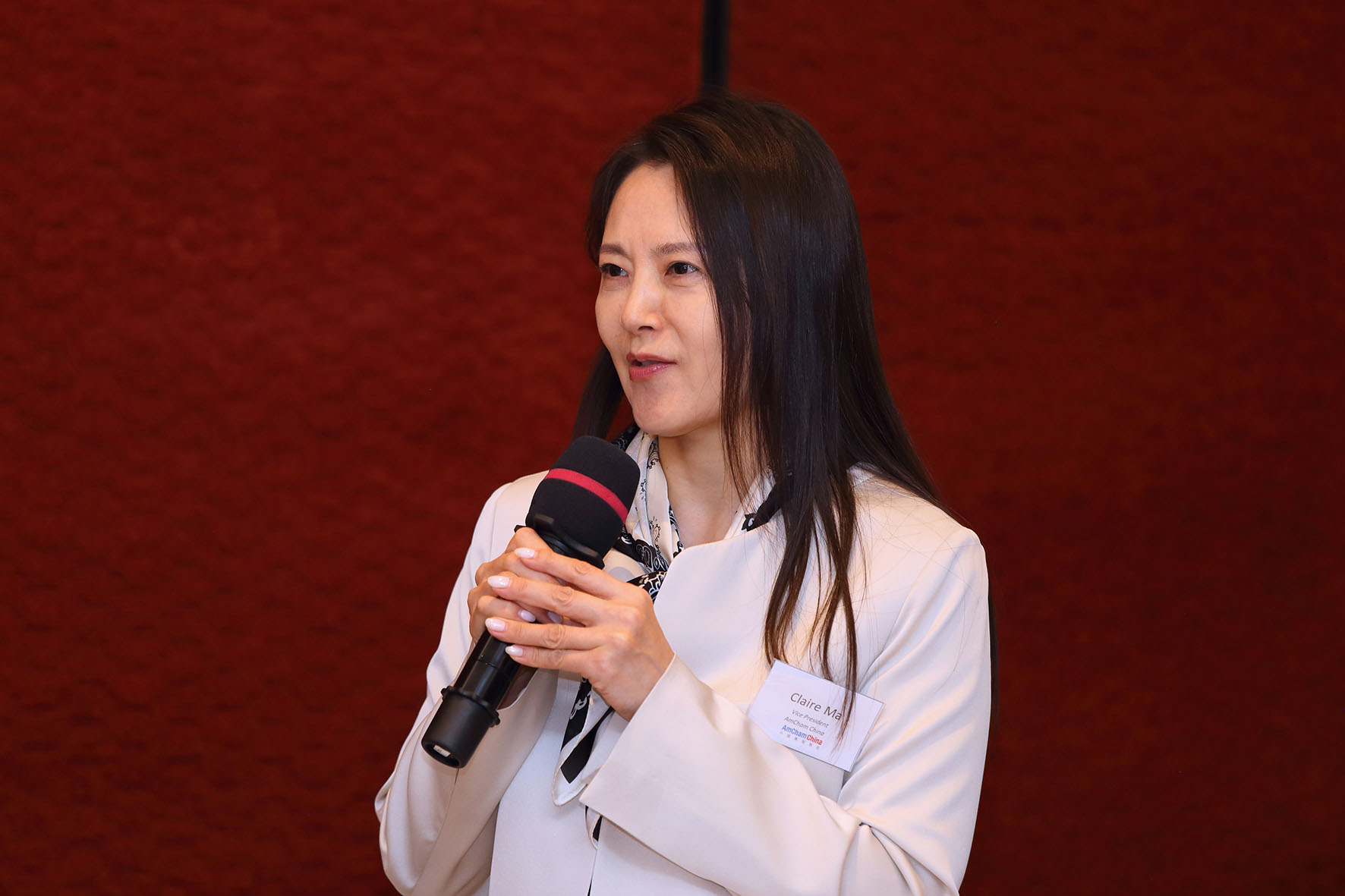
Event attendees Tracy Doherty-McCormick of Boeing and AmCham China Vice President Claire Ma
Photos by Jin Peng
Q&A Highlights: What’s Next?
In the Q&A session that followed, Ambassador Kritenbrink addressed questions from member companies on topics ranging from semiconductor and pharmaceutical sector investigations to President Trump’s planned visit to China in 2026.
Business Advocacy
AmCham China President Michael Hart asked about the limited appetite for business perspectives in Washington during AmCham China’s recent DC Doorknock trip this past spring. Kritenbrink acknowledged that rhetoric in the US capital is highly politicized and often tense. Despite the scale of US-China trade, debate tends to center on “who sounds toughest on China,” leaving business input crowded out.
Clarity on Trump’s China Visit
Members also sought clarity on whether President Trump’s planned visit to China might be delayed. Kritenbrink noted there are many reasons the trip might not happen and that final details remain difficult to confirm at this stage.
Tariffs and Section 232 Investigations
On the tariff truce deadline, he assessed that an extension on November 10 was the most likely outcome. He advised companies to leverage the diplomatic calendar, upcoming calls and visits, as opportunities to position themselves for commercial deals.
Industry-specific Concerns
One participant asked about the outlook for the pharmaceutical sector, while another raised the challenge facing US allies and ASEAN companies that risk being caught between Washington and Beijing.
Role of Companies During a Trump Visit
Members inquired about how companies should engage if President Trump’s trip moves forward and CEOs are invited to join. Kritenbrink’s guidance was simple: “Be in the room and stay engaged.”
The event provided AmCham China members with a behind-the-scenes view of how diplomacy and trade policy are evolving in Washington, and what that means for doing business in China. As both countries navigate a complex and competitive relationship, insights like these remain crucial for shaping company strategy and staying ahead of geopolitical developments.
About Policy+
Policy+ is AmCham China’s premium membership service, designed for companies that need deeper policy insights and direct engagement with decision-makers. The program provides:
- Timely analysis of new laws, regulations, and policy trends.
- Customized executive briefings tailored for senior leadership teams.
- Priority access to closed-door meetings with US and Chinese officials.
- Exclusive dialogues with think tanks, associations, and other stakeholders.
For smaller government relations teams, Policy+ acts as an extension of their capabilities. For larger teams, it offers added intelligence, networks, and opportunities to stay ahead of the curve.
For more information, please contact Will Hao at whao@amchamchina.org
This article is from the AmCham China Quarterly Magazine (Issue 3, 2025). To access the entire publication for free, sign up on our member portal here.