
Meet Olive Liu: The Northeast Chapter’s New Chair
Olive Liu has spent her career navigating complex systems. As Chief of Staff to HPE China’s Managing Director, overseeing public affairs, operations, ESG, and strategic partnerships, she is accustomed to seeing the full picture. Since joining the Northeast Chapter’s Executive Committee in 2023, she has been a steady force behind its development. Now, as Chair, she is focused on making sure the Northeast Chapter delivers real value for the businesses and leaders shaping this region’s future.
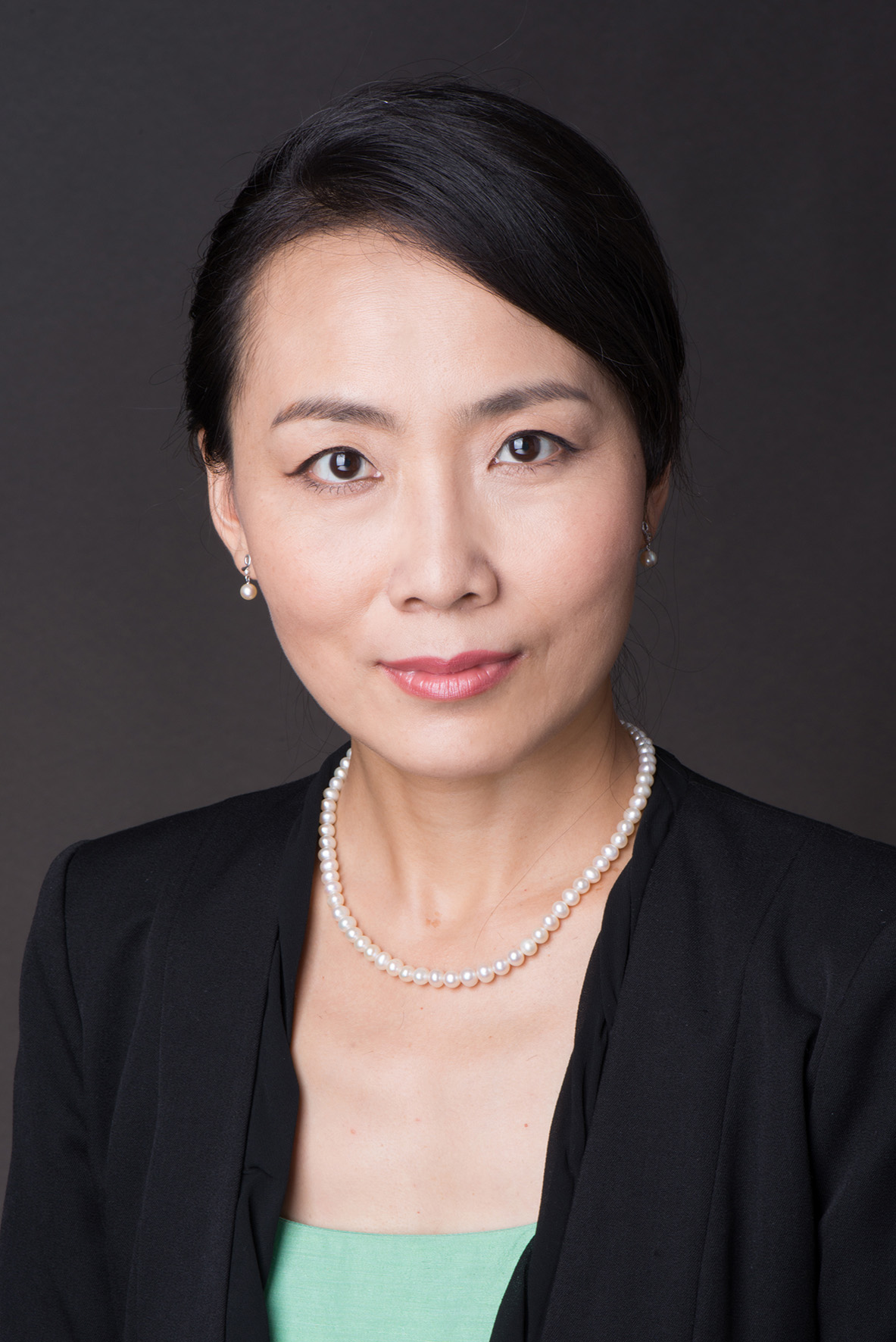
Olive Liu is the Chief of Staff to the HPE China Managing Director, overseeing corporate affairs, business operations, and strategic collaboration with partners as a core member of the HPE China leadership team.
Her professional journey spans over 20 years of leadership roles in multinational companies. Liu has focused on ESG and sustainability issues in the technology industry.
Liu serves as the Chair of the AmCham China Northeast Chapter, as well as the Co-Chair of the Chamber’s Business Sustainability Committee. She is also an Executive Representative of the China Association of Circular Economy.
Photo courtesy of HPE China
How did your relationship with the Chamber begin, and what has kept you involved over time?
Olive Liu: My relationship with AmCham China started in a very practical way, driving our own business initiatives through collaborating with different Working Groups of the Chamber and multiple programs, where I could meet peers, learn from shared experience, and stay close to policy and business trends that directly affect how we operate. Over time, what has kept me involved is the Chamber’s unique role as both a trusted convening platform and a constructive bridge between member companies and policymakers. Whether it’s through the annual Business Climate Survey or the White Paper process, or the regular briefings and community events, AmCham continues to deliver insights and a strong sense of community.
What makes this Chapter unique within the AmCham China network? What can members gain from Chapter membership?
Olive Liu: The Northeast China Chapter is unique because of both the region we serve and the way our community is structured. Northeast China has a deep industrial foundation and a strong tradition of international business. Our Chapter brings together companies closely connected to manufacturing, trading, logistics, and increasingly, technology-enabled transformation. We also operate across two key cities, Dalian and Shenyang, so we can convene members with different industry strengths and local networks. For members, Chapter membership offers three clear benefits: (1) a platform for practical, timely information through business briefings and compliance-focused sessions; (2) advocacy channels that connect member priorities with local stakeholders; and (3) a strong community network through signature events and frequent engagement that helps leaders build trusted relationships.
What are your key priorities for the Northeast China Chapter in 2026?
Olive Liu: In 2026, my priorities are strengthening three pillars: member value, member voice, and member connection. First, we will continue to build a calendar that is genuinely useful, combining policy and business intelligence with practical topics like legal, tax, finance, and HR updates. Second, we will keep advancing advocacy work, so that Northeast members’ experiences are clearly reflected in government–business dialogue. Third, we will keep investing in community building, elevating our events and programming, and working with our members to drive business outcomes.
Northeast China has long been known as a manufacturing and heavy industry hub. How do you see the region’s economic landscape evolving today?
Olive Liu: Manufacturing and heavy industry remain important anchors, but we are also seeing meaningful movement toward higher value-added production, smarter supply chains, and a stronger role for services and technology. Local governments are actively focused on revitalization, encouraging investment in industrial upgrading, digital infrastructure, and new growth drivers. The conversation is shifting from “capacity” to “capability”: how to improve productivity, resilience, and quality through modernization. The Northeast’s strengths in engineering talent, industrial clusters, and logistics connectivity, with reach across Northeast Asia and the Pacific, can be amplified when combined with digitalization and sustainability-driven upgrading.
As the region pursues economic revitalization, where do you see the greatest opportunities for multinational companies?
Olive Liu: One is industrial modernization, helping traditional sectors improve efficiency, quality, and safety through automation, data platforms, and smarter operations. Another is green transition, where companies can support energy efficiency, emissions management, and supply chain decarbonization. A third opportunity is talent and capability-building: the Northeast has a solid base of engineering and technical talent, and multinational companies can contribute by building ecosystems, working with local partners, universities, and customers to develop skills and standards. Finally, there is growing interest in expanding regional connectivity and trade, including e-commerce, which opens opportunities for companies that can support cross-border operations, compliance, and digital infrastructure.
You also serve as Co-Chair of the Business Sustainability Committee. How are ESG and sustainability priorities evolving for multinational companies operating in China?
Olive Liu: ESG and sustainability have moved from “better to have” responsibilities to core business priorities, increasingly tied to governance requirements and customer expectations for long-term competitiveness. First, companies are becoming more focused on execution: practical decarbonization roadmaps, measurable targets, and integrating sustainability into supply chains and product design. Second, there is a stronger need to align global ESG frameworks with local realities, regulations, and stakeholder priorities in China. As Co-Chair of the Business Sustainability Committee, my focus is to help members exchange best practices and turn sustainability into actionable strategies through dialogues, case-based learning, and events.
What opportunities make you most optimistic about the future of Northeast China’s business environment?
Olive Liu: I’m most optimistic about three forces: revitalization momentum, industrial depth, and a growing focus on higher-quality development. The Northeast has a real foundation: strong industrial clusters, skilled talent, and a long history of global business engagement. I’m also encouraged by the role that platforms like AmCham China can play, bringing members together, translating shared challenges into constructive policy dialogue, and creating opportunities for collaboration. If we keep building confidence through practical wins, stronger connections, more predictable operating conditions, and investable projects, the region’s business environment can become even more attractive for both existing investors and new entrants.
This article is from the AmCham China Quarterly Magazine (Issue 1, 2026). To access the entire publication for free, sign up on our member portal here.